 Skip to content

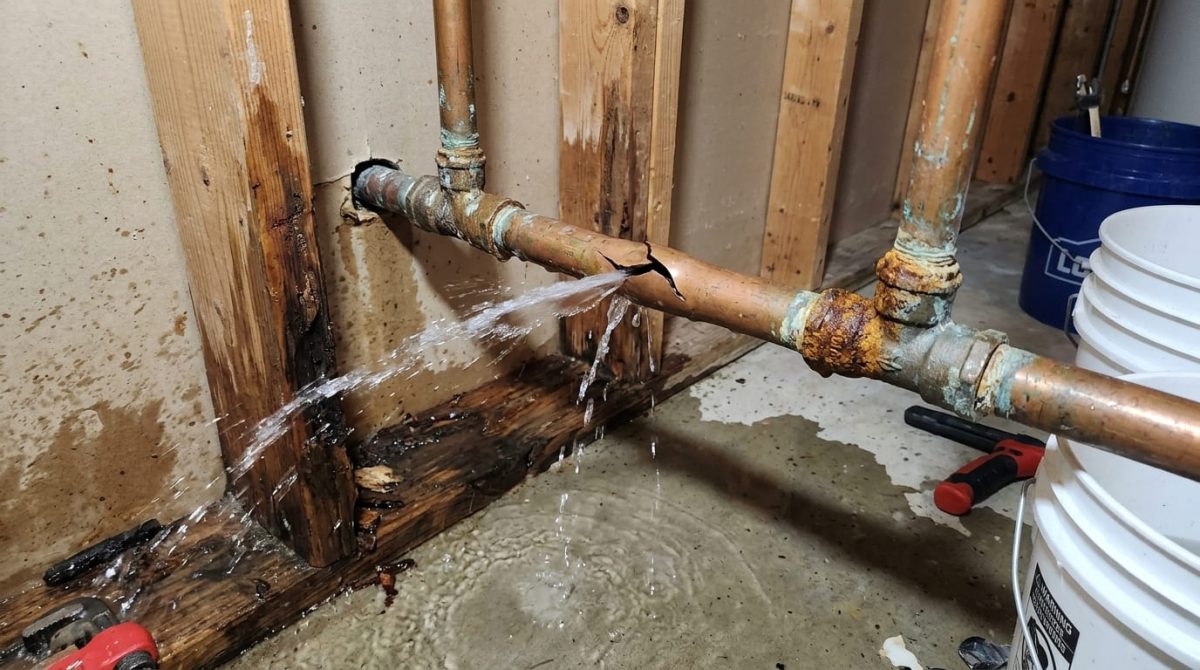
If your home was built between 1978 and 1996, there’s a real chance polybutylene pipes are running through your walls. And if they are, they’re a problem waiting to happen.
Polybutylene was the next big thing in plumbing for nearly two decades. Cheaper than copper. Faster to install. Looked great on paper. Turned out to be one of the biggest material failures in residential construction history.
Here’s what to know, how to spot it, and what to do if your home has it.
What Polybutylene Pipe Actually Is
Polybutylene (often shortened to “poly” or “PB”) is a flexible gray or blue plastic pipe that was widely installed in residential homes from the late 1970s through the mid-1990s. The pipe itself is usually 1/2 inch or 3/4 inch, with stamped lettering like “PB2110” along its length.
It was marketed as the future of plumbing. Easier to work with than copper. Resistant to freezing. Cheap. Builders loved it. Homeowners had no reason to doubt it.
Why Polybutylene Fails
Two big problems showed up over time.
First, the chlorine and other oxidizers in municipal water supply react with polybutylene. The chemical reaction breaks down the plastic from the inside out. The pipe walls flake apart, get brittle, and eventually rupture.
Second, the brass and acetal (plastic) fittings used to join sections of polybutylene fail at the connection points. Sometimes the fitting splits. Sometimes the seal where the pipe meets the fitting gives out.
The result is a pipe system that can look perfectly fine for years. Then one day it just lets go. Often with no warning. Often inside a wall.
The Lawsuit That Pulled It Off the Market
By the mid-1990s, polybutylene failures had triggered one of the largest class-action settlements in U.S. consumer history. Cox v. Shell Oil and related cases resulted in a settlement fund of nearly $1 billion to help homeowners replace failing systems.
The settlement claim deadline expired years ago. If you have polybutylene now, replacement is on you. The Consumer Product Safety review on PB plumbing walks through the history if you want the full backstory.
How to Tell If Your Home Has It
Check the easy-to-see spots first. Three common places polybutylene shows up:
- Behind the toilet supply line where the pipe enters the wall
- At the water heater connections
- The main water shutoff valve coming into the house from the street
Look for flexible gray or blue plastic pipe, typically with the stamped marking “PB2110” along its length. If you see that, you have polybutylene somewhere in your home.
Note: PEX is a flexible plastic pipe too, but it’s red, blue, or white (not gray). Don’t mistake one for the other.
“It Hasn’t Leaked Yet, Why Replace It?”
Because the failure pattern is unpredictable. Polybutylene degrades from the inside, so the outside of the pipe can look perfectly healthy right up to the moment it ruptures. You don’t get a warning leak before the catastrophic one.
It also costs more to fix after the fact. A burst PB pipe at 2am floods your house, ruins flooring and drywall, and creates a homeowner-insurance claim with deductibles, contractor coordination, and weeks of disruption. A planned repipe is faster, cheaper, and doesn’t ruin your weekend.
Insurance and Polybutylene
This part stings. Many homeowner insurance carriers now exclude polybutylene damage or refuse to insure homes that still have it. According to a review by the Insurance Information Institute, water damage from gradual pipe failure is typically excluded across most homeowner policies regardless of pipe type, and known-defective materials like polybutylene give insurers additional grounds to deny claims.
If you’re shopping for new homeowners insurance and the carrier asks about polybutylene, answer honestly. Getting denied later for non-disclosure is worse than paying for the repipe upfront.
What Replacement Looks Like
Replacing polybutylene means a whole-house repipe. The old PB lines get abandoned in place (cheaper and less destructive than ripping them out). New PEX or copper lines get run through walls, attics, or crawl spaces.
Typical project for a 3-bedroom SoCal home:
- 2 to 4 days of work
- Water shut off for a few hours each day, restored overnight
- Small access holes cut in drywall (patched and painted before the crew leaves)
- $5,500 to $11,000 for PEX, $9,000 to $17,000 for copper
- Permits pulled, inspections passed, warranty included
Selling a Home With Polybutylene
Disclosure is required in California. The buyer’s inspector will spot it. Buyers will either walk, demand a price reduction, or require you to replace it before closing.
The cleanest path is usually to repipe before listing. You control the contractor, you control the timeline, and you list with a fresh repipe as a selling point instead of a $10,000 price negotiation.
Bottom Line
If your home has polybutylene plumbing, the question isn’t “if” it’ll fail. It’s “when.” Planned replacement on your schedule beats emergency repair after a burst pipe. And it protects your resale value, your insurance coverage, and your weekend.
Trusted Local Network
For homeowners outside SoCal dealing with related plumbing concerns, plumbing services in the DFW Texas market cover similar diagnostic and repair work. And for HVAC coordination that often pairs with plumbing fixes, HVAC services for home-system coordination handle that side.
Your Riverside Repipe Specialists
If you suspect polybutylene plumbing in your home, get it checked before it makes the decision for you. Rooter King Plumbing serves Riverside, Corona, Jurupa Valley, and Orange County with full-home repiping in PEX or copper. Free in-home inspection to confirm what you have, transparent estimate, permits and warranty included. Contact us to schedule.