 Skip to content

Camera Inspection in Riverside County, CA
SO-CAL’S TRUSTED LOCAL PLUMBER • 5.0★ GOOGLE$73 DRAIN CLEANING SPECIAL
100+ HAPPY CUSTOMERS WEEKLY
10+ CLIENTS DAILY
Sewer & Drain Camera Inspection in Riverside County
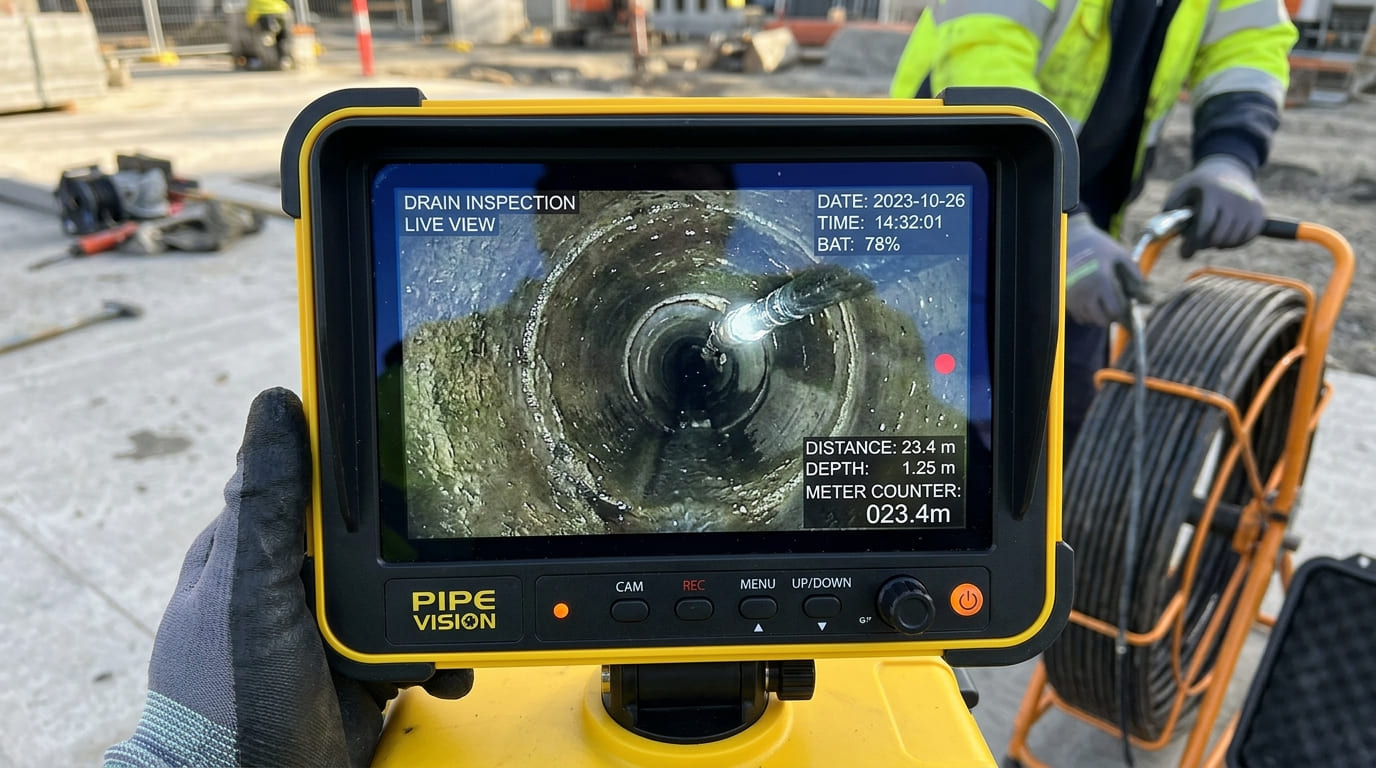
Most “mystery” drain problems stop being mysteries the second a camera goes in the line. We run a sewer-cam from the cleanout, push it through 75 to 200 feet of pipe, and you watch it on the monitor with us. Root mass at the city tap, a bellied section sitting in groundwater, a crushed Orangeburg run from 1968 — the camera shows what is actually down there so the next decision is based on footage instead of a guess.
We run camera work across Jurupa Valley, Corona, Riverside, Norco, and Eastvale. The most common calls: a real-estate inspection before a sale closes, a backup that has hit twice in six months, and the city asking for video before they sign off on a sewer permit. We will send you the recorded file after the run so you have it for your records.
Superior Accuracy! We Can Help!
Pricing is simple. A standard cleanout-to-tap inspection runs $295 and includes a recorded copy of the run, sent to you the same day. If we need to pull a toilet to access the line, add $75. If you need the camera head located underground for digging, the sonde locate is $125. No subscription, no upsell, no surprise tail on the invoice.
As the camera travels through the line, it transmits a real-time, high-definition video feed to a monitor viewed by our experts. Powerful LED lights illuminate the dark interior of the pipes, revealing everything from minor hairline cracks and stubborn blockages to massive tree root intrusions and collapsed pipe sections. We don’t just clear clogs; we help property owners with visual evidence, ensuring that every repair we recommend is completely necessary and structurally sound.
Camera Inspection Services We Offer
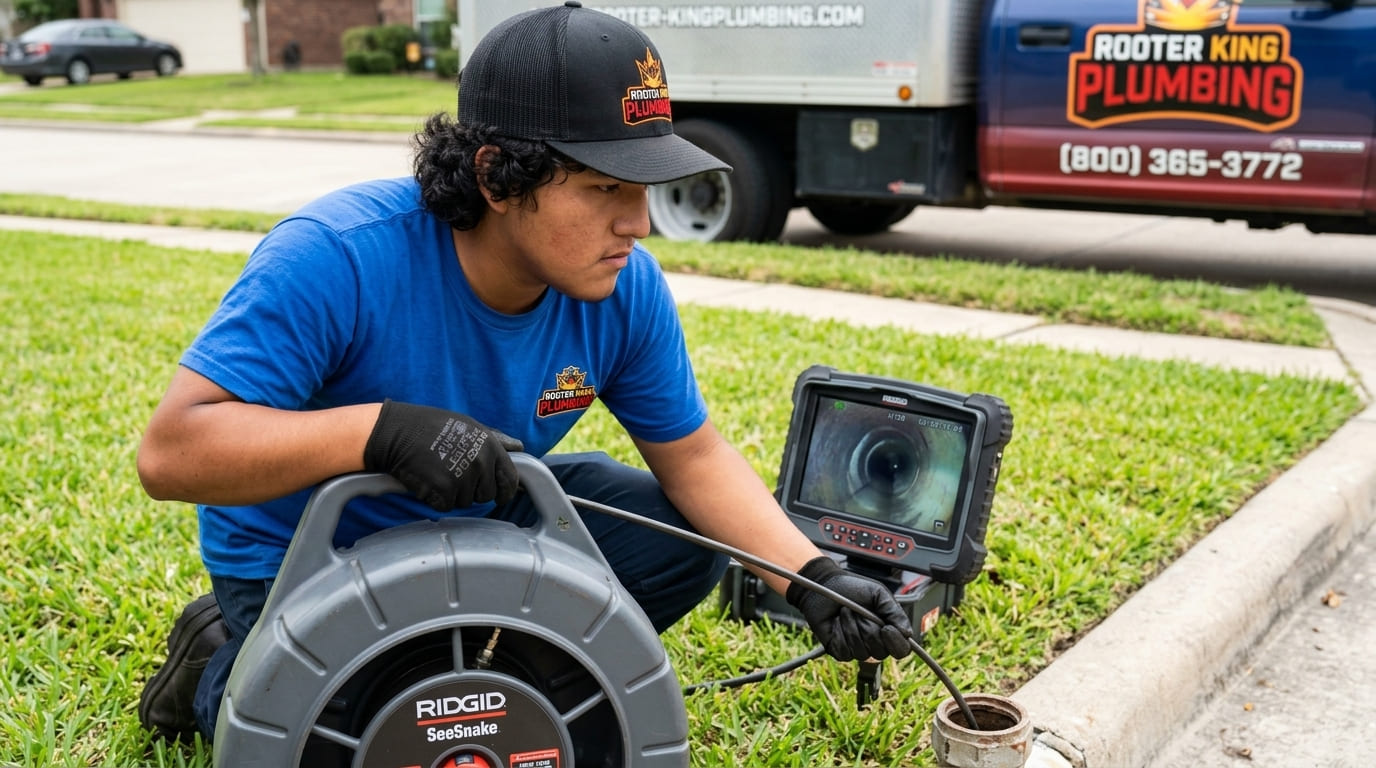
Residential Sewer Camera
We snake an HD camera through your home’s sewer and drain lines to find clogs, cracks, and root intrusion — no digging.
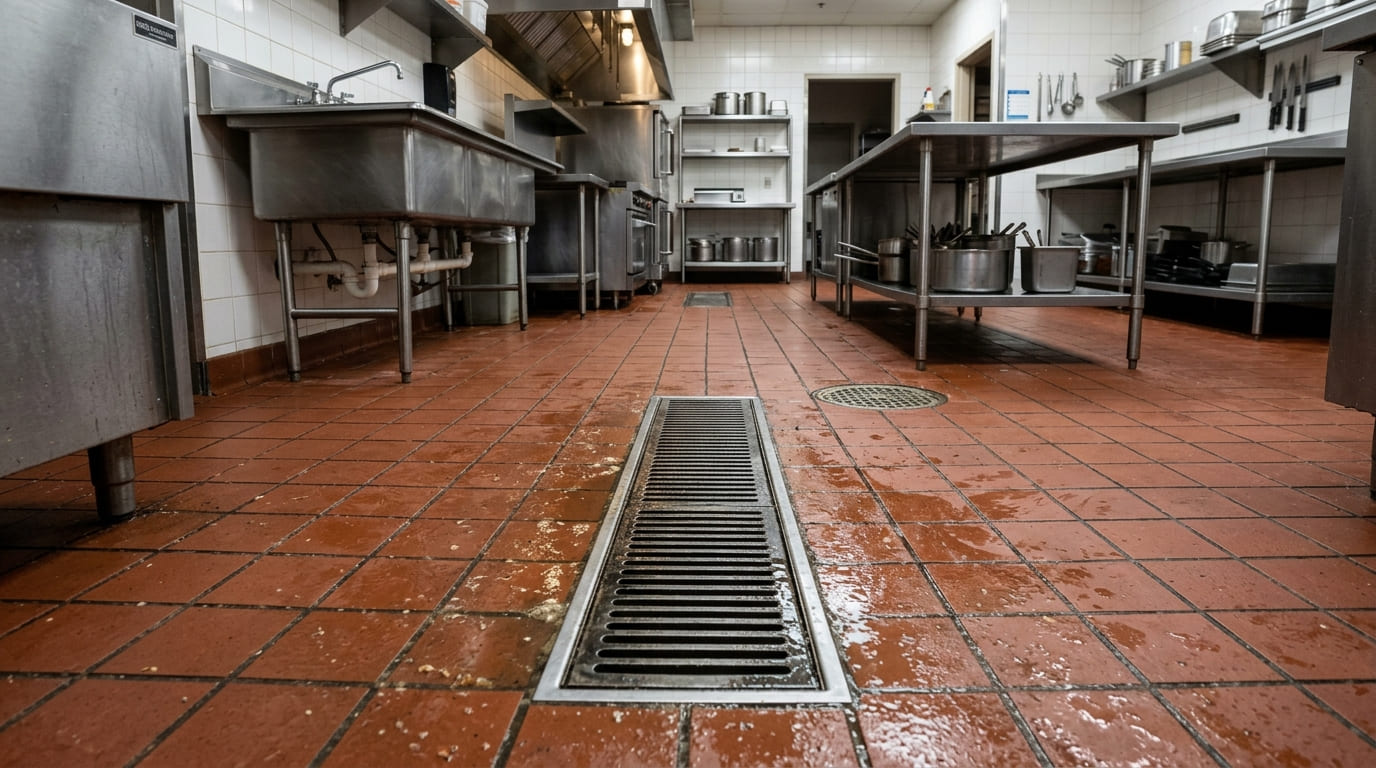
Commercial Pipe & Drain
Document the condition of pipes in restaurants, offices, and rentals, with footage you can keep on file.

Real Estate Pre-Purchase
Know what you’re buying. We inspect the sewer lateral before close so there are no costly surprises.
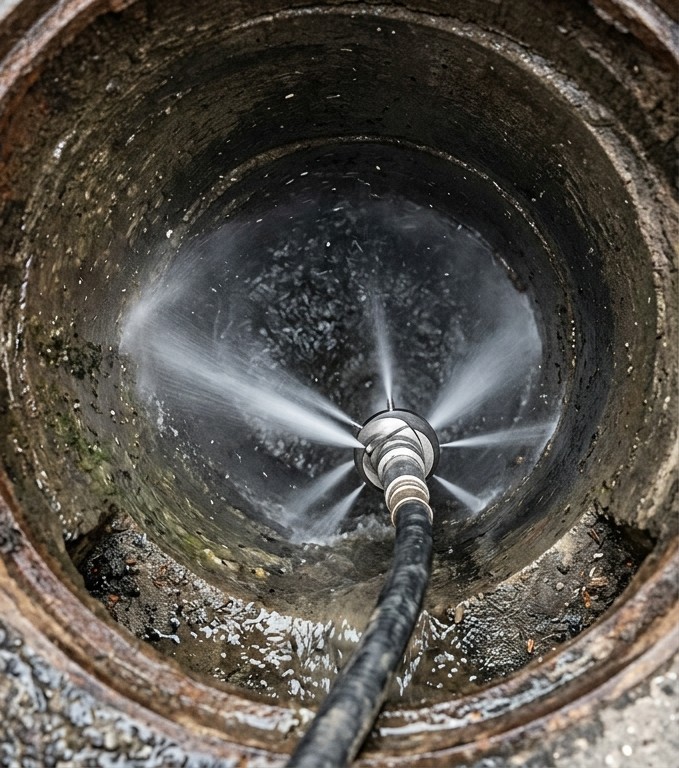
Post-Repair Verification
After any repair we re-camera the line to confirm the fix and hand you the proof on video.
Preventative Maintenance
Routine camera checks catch small problems early — before they turn into emergency backups.
When a camera pays for itself
What a Sewer Camera Inspection Catches
A 30-minute inspection finds problems that guesswork misses — and tells you exactly what you’re dealing with.
| What we look for | Why it matters |
|---|---|
| Cracks & offset joints | Spot a failing line before it collapses |
| Tree-root intrusion | Pinpoint the exact entry point to target the fix |
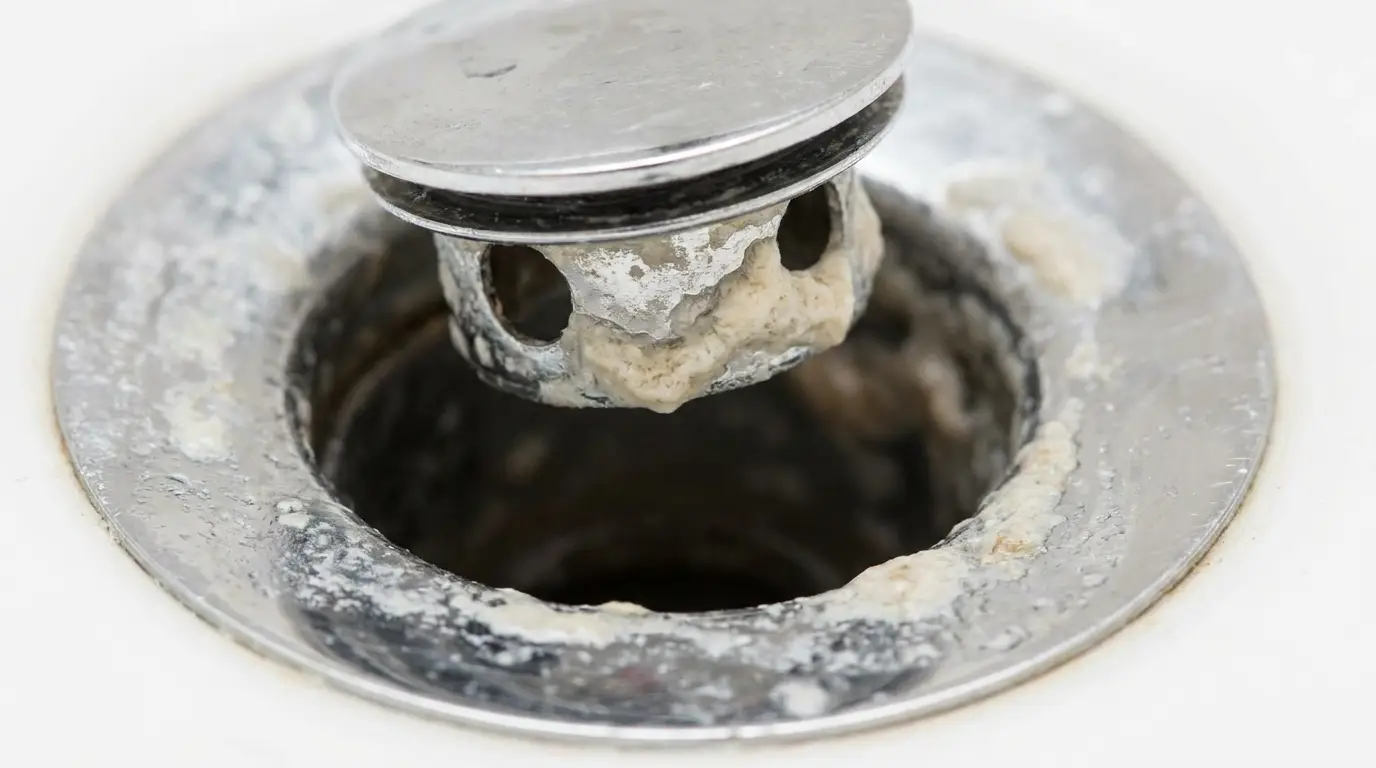
| Grease & scale buildup | Know whether snaking or jetting is needed |
| Bellies & low spots | Explain recurring clogs in one section |
| Pipe material & depth | Plan a repair with no surprise digging |
Testimonial Of The Month
5-Star Service = 5-Star Reviews
The Technology Behind Our High-Resolution Cameras
The diagnostic equipment used daily by the technicians at Rooter King is a far cry from a simple flashlight and a mirror. We invest heavily and continuously in the plumbing industry’s most advanced inspection equipment to make sure we consistently provide the most accurate and reliable service throughout Riverside County.
Our camera systems are built with specific, modern features designed to conquer the harsh subterranean environment:
Low-Frequency Radio Sondes: Our camera heads are equipped with a sophisticated radio transmitter (a sonde). If we spot a break, the sonde emits a signal straight up through the earth. Our technicians use a digital receiver wand above ground to track this precise signal, pinpointing the exact geographical location and depth of the damage. This guarantees that any necessary digging is a highly targeted, surgical excavation.
Sapphire Crystal Lenses: Because sewer lines are incredibly abrasive environments filled with sharp grit, our camera lenses are capped with scratch-resistant sapphire crystal. This makes sure the optical clarity never degrades or clouds over, providing high-definition video in the worst conditions.
Self-Leveling Gyroscopes: As the flexible push-cable twists, turns, and drops through various 45-degree pipe elbows, the internal mechanism of the camera automatically rotates to keep the video image perfectly upright on our viewing monitors, preventing spatial disorientation.
Ultra-Bright LED Arrays: Illumination is provided by an integrated array of powerful, long-lasting LED diodes that easily cut through murky, standing water and brightly illuminate the darkest pipe interiors, highlighting hairline fractures that older cameras would miss.
Schedule Your Inspection Today!
How Riverside County’s Environment Affects Your Pipes
Understanding the local environment and its unique geological factors is crucial for any property owner. The diverse geography and climate, from the semi-arid valleys of Jurupa Valley to the varying elevations of Riverside, heavily influence the rapid degradation and shifting of subterranean pipes.
Riverside County property owners must contend with several specific environmental stressors:
Aggressive Flora and Thirsty Roots: Our naturally arid climate makes the constant moisture flowing inside your sewer lines incredibly attractive to local trees. When a pipe cracks in dry soil, it releases water vapor. Tree roots aggressively seek out this exact moisture source, infiltrating the tiny cracks and rapidly growing into massive, pipe-destroying blockages.
Constant Seismic Micro-Tremors: Southern California is highly seismically active. Countless micro-tremors occur silently beneath our feet every week. This constant shifting slowly loosens plumbing joints, alters crucial gravity slopes, and causes rigid, older pipes to snap under uneven pressure.
Expansive Clay Soils: The soil composition in the Inland Empire often features highly expansive clay. During rare, heavy winter rainstorms, the dry clay rapidly absorbs water, swelling up and putting immense, crushing hydrostatic pressure on buried pipes.
Soil Contraction and Shrinkage: Conversely, during the long, notoriously hot Southern California summers, the clay soil loses its moisture, shrinks dramatically, and pulls away from the pipes, leaving them totally unsupported and prone to sagging or snapping.
NEED PLUMBING SERVICES? CONTACT US TODAY!
Signs You Need A Drain Camera Inspection
Here are a few telltale signs that you need to schedule a camera inspection immediately:
Gurgling Sounds: If flushing your toilet causes water to gurgle or back up in your shower drain, the interconnected ventilation and drainage systems are failing due to a blockage. That’s just how we operate. Recommendation based on the specific conditions we find in your pipes.
Multiple Slow Drains: A single clogged sink is usually a local issue, but if your bathtub, toilet, and kitchen sink are all draining slowly, the main sewer line is likely obstructed.
Foul Sewage Odors: If you smell raw sewage in your yard, basement, or wafting up from your drains, there is a strong chance you have a cracked pipe allowing sewer gases to escape.
Unusually Lush Patches of Grass: Sewage acts as a powerful fertilizer. An isolated, incredibly green, and fast-growing patch of grass in your yard often points directly to a subterranean sewer leak.
Contact Rooter King
See Exactly What’s In Your Pipes — Call Today
No digging, no guesswork. Our Riverside County team runs an HD sewer camera and shows you the problem on screen. Licensed, 5-star rated, available 24/7.
Call (951) 880-3727Request a Time24/7 emergency line · CSLB #1090875 · 5.0★ on Google
Our Service Area
Frequently Asked Questions
What does a sewer camera inspection show?
Live video of the inside of your sewer line, including cracks, root intrusion, bellies, and clogs, so we diagnose the real problem instead of guessing.
When should I get a camera inspection?
Before buying a home, after repeat backups, or when planning landscaping near the sewer line. It is the cheapest way to avoid a surprise dig.
Can you locate the exact spot of the problem?
Yes. Our camera has a locator, so we mark the depth and position on the surface, which means a smaller, targeted repair.
Do you provide the video footage?
Yes, we show you what we find on screen and can provide the recording for your records or a real estate transaction.
WHAT A CAMERA ACTUALLY SEES IN A LOCAL SEWER LINE
The value of an inspection depends almost entirely on knowing what you are looking at. Sewer laterals across Corona, Riverside and Jurupa Valley were installed across several decades, and the material tells you what failure to expect. Older tracts commonly ran vitrified clay in short sections with jointed couplings. Post-war and mid-century homes often used cast iron for the building drain. Newer construction is generally ABS or PVC in long solvent-welded runs.
Each ages in its own way. Clay is chemically durable and can look almost new on camera, but it is brittle and jointed every few feet, so its weakness is at the couplings. Cast iron corrodes from the inside, losing wall thickness along the bottom of the pipe where waste sits. Plastic rarely corrodes at all, so when a plastic line fails it is usually because something moved it, crushed it, or the installer left a sag. Reading the material first is what turns a video into a diagnosis.
BELLIES, OFFSETS AND WHY CLAY SOIL CREATES THEM
Buried laterals in the Inland Empire sit in expansive clay for much of their length. That soil gains volume as it absorbs moisture and loses it again through the dry season, and because a lateral runs at a shallow, deliberate slope, even modest ground movement changes its geometry. Two defects dominate what we see on screen as a result.
A belly is a low section where the pipe has settled into a dip, so waste and water stand in it instead of draining through. On camera it appears as a stretch of standing water that never clears, and it explains lines that back up repeatedly no matter how often they are cabled. An offset is a step at a joint where two sections have shifted out of alignment, leaving a lip that catches solids and paper, and an opening that fine roots find quickly.
BELLY OR SAG
A settled low spot holding standing water. The camera shows a pool that will not drain, and the line backs up on a schedule no cabling can fix.
OFFSET JOINT
Two sections stepped out of line by ground movement, leaving a lip that snags solids and a gap that roots exploit.
ROOT INTRUSION
Fine roots entering at a joint or crack, then thickening into a mat. Common wherever mature trees sit near a shallow lateral.
SCALE AND TUBERCULATION
Rough mineral and corrosion nodules narrowing cast iron from the inside, catching debris and reducing effective diameter.
LOCATING: FROM THE SCREEN TO THE SPRAY PAINT
Finding a defect is only half the job. The camera head carries a transmitting sonde, and a receiver above ground tracks that signal to fix the position and depth of the head while it sits at the defect. The technician then marks the ground surface directly above it and notes how deep it is. That mark is what separates a targeted repair from exploratory digging.
The distance counter on the reel matters just as much. Knowing a root mass is at fifty-two feet rather than somewhere past the cleanout tells you whether the problem sits under a lawn, a driveway or the street, and that single fact often decides between an open cut, a spot repair, a cured-in-place liner and pipe bursting. On hardscaped Inland Empire lots, an accurate locate is frequently the difference between a small repair and replacing a section of driveway.
CAMERA FINDINGS
WHAT WE FIND AND WHAT IT USUALLY MEANS
A short guide to the defects that show up most often on local laterals, and the direction each one normally points.
| What the camera shows | What it means | Where it usually leads |
|---|---|---|
| Standing water that never clears | A belly or settled section holding waste | Spot replacement of the sagging run; lining alone will not restore fall |
| A visible step at a joint | An offset from ground movement | Spot repair or bursting, depending on length and how many joints are affected |
| Fine roots at a joint | Root intrusion through a gap or crack | Cutting and jetting to clear, then lining or replacement to close the entry |
| Rough nodules narrowing the bore | Scale and tuberculation inside cast iron | Descaling to bare pipe, then lining if the wall thickness supports it |
| A longitudinal crack or missing crown | Structural failure of the pipe wall | Replacement of the affected section; cabling risks collapsing it further |
| Clean pipe, full flow, no defects | Blockage was soft and has cleared | Drain cleaning and a maintenance interval rather than any structural repair |
WHAT A USEFUL INSPECTION REPORT CONTAINS
An inspection you can act on should leave you with more than a technician opinion. Ask for the recorded footage, the distance readings for each defect, the measured depth at the marked points, the pipe material and diameter, and the direction of flow. If a second opinion or a real estate negotiation follows, those details are what make the findings verifiable by someone who was not standing in your yard. We would rather you hold that record than take our word for it.
WHO SIGNS OFF ON SEWER WORK IN RIVERSIDE COUNTY
If an inspection leads to repair, the permitting authority depends on which side of a city boundary the property sits. Inside an incorporated city such as Corona, Riverside, Norco, Eastvale or Jurupa Valley, plumbing and sewer permits are issued by that city building department. For property in unincorporated Riverside County, permits and inspections run through Riverside County Building and Safety, which operates the county permit assistance centre.
Two points catch owners out. First, the lateral serving a property is generally the owner responsibility rather than the sewer agency, though exactly where that responsibility ends varies between jurisdictions and is worth confirming for your address before work is scheduled. Second, if the repair has to reach the main under a sidewalk or roadway, that portion normally requires a separate encroachment permit from whichever agency maintains the street, which is a different application from the plumbing permit.
CAMERA INSPECTION QUESTIONS WE HEAR LOCALLY
Can a camera inspection tell me if I have a belly?
Yes, and it is one of the clearest findings on video. A belly shows as standing water that does not drain away as the camera passes. Because the reel counts distance, we can also tell you how long the sagging section is and where it starts, which decides whether the fix is a short spot replacement or a longer run.
Why do laterals in this area shift out of alignment?
Expansive clay soil changes volume as its moisture content changes, swelling in wet conditions and shrinking through the dry season. A sewer lateral runs on a shallow deliberate slope, so even modest ground movement can drop a section into a sag or step two jointed pieces out of line. Older jointed clay pipe is the most vulnerable.
Should I get an inspection before buying a house here?
It is one of the few checks that reliably pays for itself. A standard home inspection does not put a camera down the sewer, so the condition of the lateral is usually unknown at the point of sale. Given that a full replacement is a significant cost, knowing whether the line is sound is worth establishing before the sale closes.
Do I get a copy of the video?
Yes. Ask for the footage together with the distance readings, the marked depths, the pipe material and diameter, and the flow direction. Those details let anyone else assess the same findings independently, which matters if you are negotiating a sale or seeking a second opinion.
Can you tell exactly where to dig?
That is what the locating step is for. The camera head carries a sonde, and a receiver above ground tracks it to fix the position and depth while the head sits at the defect. We mark the surface directly above and record the depth, so any excavation is targeted rather than exploratory.
Do I need a permit for the repair the camera finds?
Usually, and which agency issues it depends on the address. Incorporated cities including Corona, Riverside, Norco, Eastvale and Jurupa Valley permit through their own building departments, while unincorporated county property goes through Riverside County Building and Safety. Reaching the main beneath a sidewalk or street normally requires an additional encroachment permit from the road authority.